Healthy Habits
6 Easy Ways to Resist Eating Everything on Your Plate
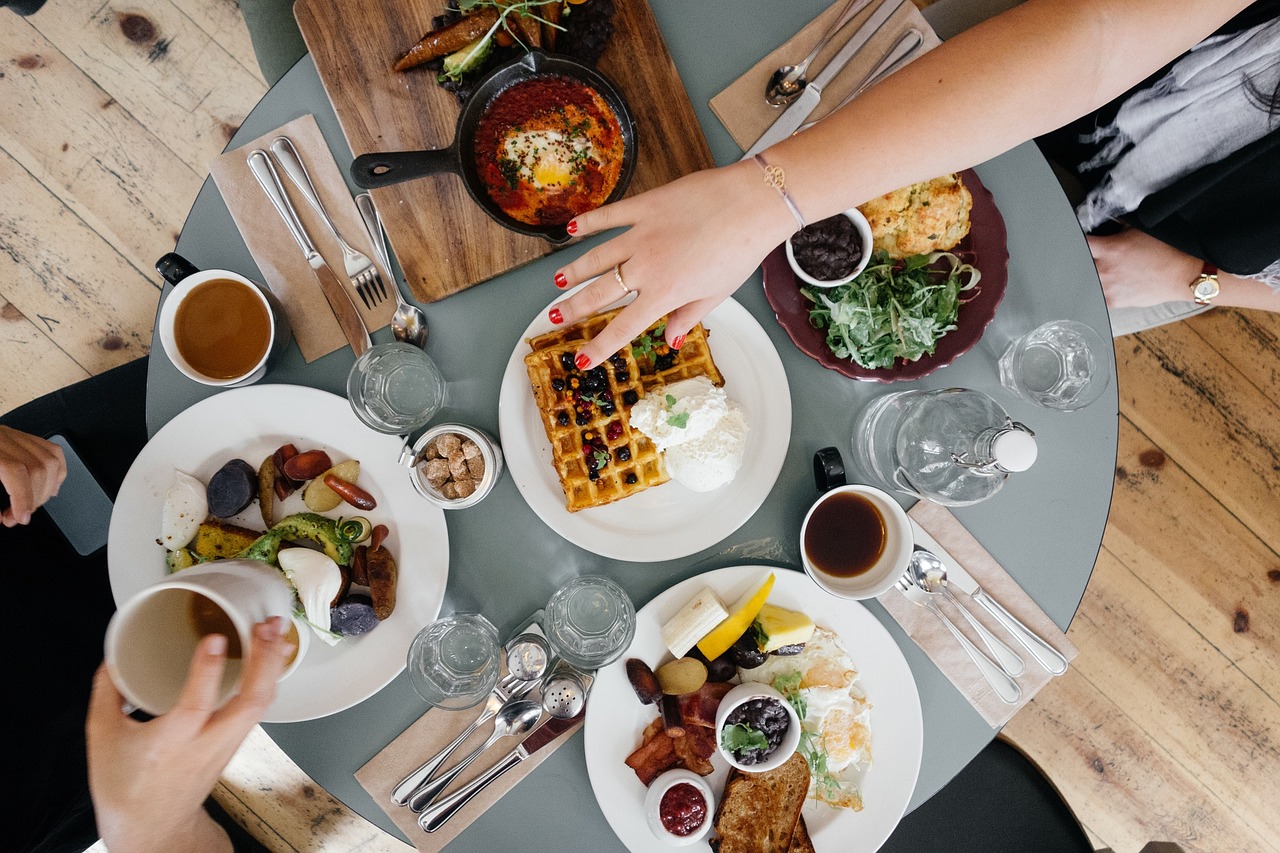
Do you feel compelled to "clear your plate" every time you sit down to eat a meal?
You are not alone. Most of us eat the vast majority of whatever is put in front of us—regardless of how hungry we actually are. To put it bluntly: if it goes on your plate, it goes in your mouth.
Interestingly, young children tend to be much better at this than adults. Left to their own instincts, kids often stop when they're full and leave food behind, while most grown-ups keep going until the plate is clean. What gives?
I can't help but wonder if the message of "you have to finish everything on your plate so you don't waste food" at some point collides with emotional eating. A full plate of food, adult-life stressors, and that embedded finish-everything message are the perfect recipe for over-consuming. And this notion gets further amplified by ever-expanding portion sizes.
A client recently confided that he finds it nearly impossible to resist eating everything on his plate—and at record speed. To combat this deep-seated habit, we put mindful eating practices in place. Within just a few days he began eating less, and by the end of the first week he'd lost a couple of pounds. Being aware is the first step.
Ways to Break the Habit
Use a smaller plate. Clearly, if you use a smaller plate, you have less room for heaping servings of food. Refrain from seconds!
Put your utensils down between bites. This forces you to actually take the time to chew your food rather than taking another bite before you're finished chewing the first.
Remove distractions. How many times have you eaten in front of the television or the computer, only to look down at your plate and wonder, "Where did it go?" Resist the urge to play on your phone, and pay attention to what you're eating.
Sip water between bites. This will slow you down and fill you up. It takes about 20 minutes for your brain to catch up with your stomach.
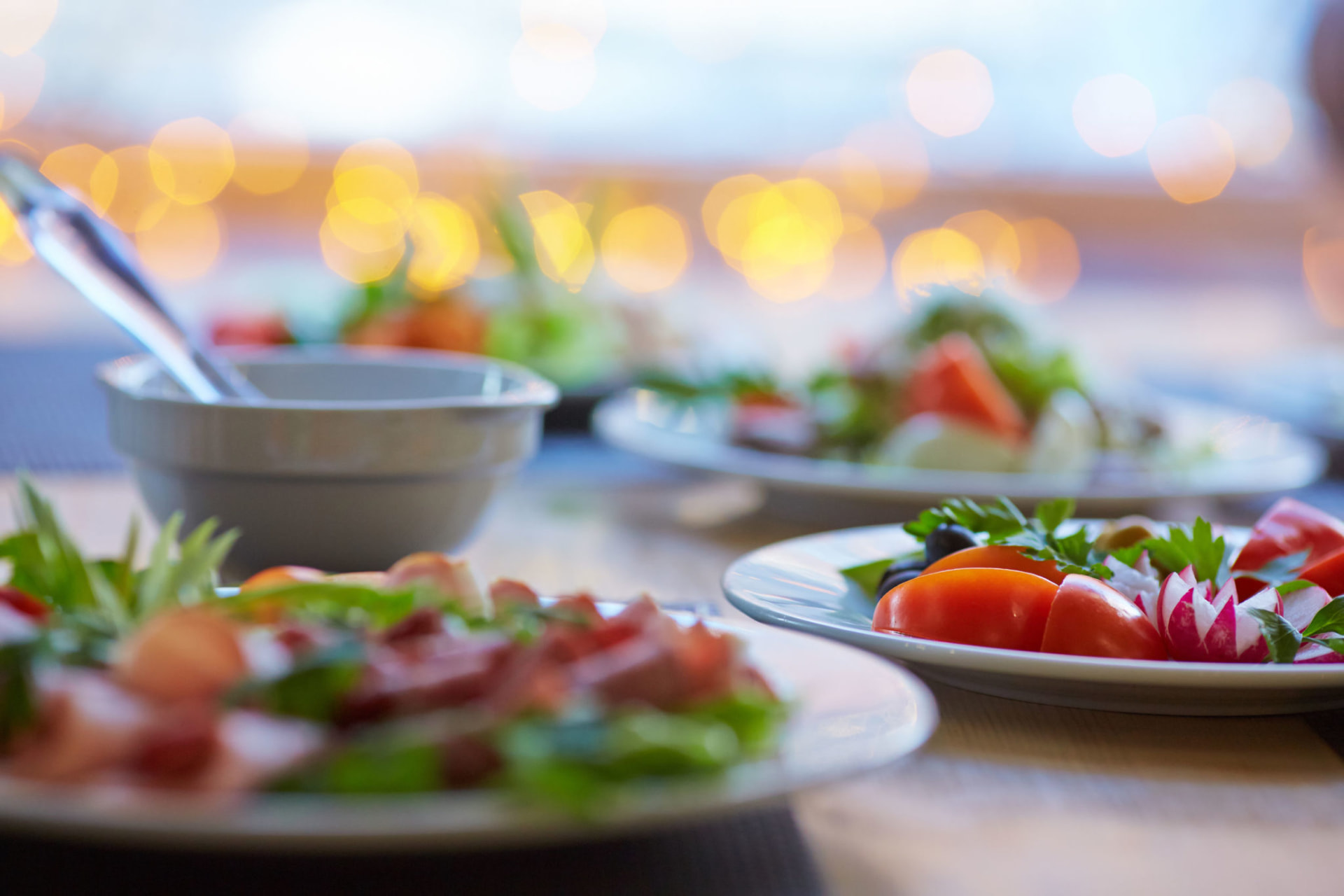
Eat a salad before your meal. Rather than making a salad part of your meal, eat one 30 minutes to an hour beforehand. That gives your brain enough time to signal that you really don't need all that much food.
At a restaurant? Box half of it before you start. When you order, tell the server you'd like half of it to-go. Easy!
Oh, and I give you permission to leave food on your plate!
Breaking the clean-plate habit isn't about willpower—it's about awareness. Pick just one of these six to try at your next meal, and notice how differently you feel when you stop eating because you're satisfied, not because your plate is empty.
Frequently Asked Questions
Why do I feel like I have to finish everything on my plate?
For many of us it's a habit learned in childhood—"don't waste food, clean your plate." As adults, that message collides with stress, oversized portions, and eating on autopilot, so we keep going until the plate is empty instead of stopping when we're full.
How do I stop eating everything on my plate?
Start with awareness and a few simple tools: use a smaller plate, put your utensils down between bites, remove distractions like your phone or TV, sip water as you eat, and have a salad beforehand. At restaurants, box half your meal before you begin.
Is it bad to leave food on your plate?
Not at all. Learning to stop when you're satisfied—rather than when your plate is empty—is a healthy skill, not wasteful behavior. You have full permission to leave food behind.
How long does it take to feel full after eating?
It takes roughly 20 minutes for your brain to register the signals from your stomach. Slowing down—chewing thoroughly, sipping water, pausing between bites—gives that signal time to arrive before you overeat.
Ready to take the next step?
Book a Free 20-Minute Consultation