Weight Loss
The Myth of Calories In, Calories Out

Have you fallen for the myth of calories in, calories out?
"To say that obesity is caused by merely consuming too many calories is like saying that the only cause of the American Revolution was the Boston Tea Party," visionary nutritionist Adelle Davis said back in the 1950s.
The myth: Based on the idea that a pound equals 3,500 calories, advocates of "calories in, calories out" suggest that to maintain your weight you must burn the same number of calories you consume—and to lose a pound, you must create a deficit of roughly 3,500 calories.
Sounds sensible if you look at it strictly in terms of math. But it doesn't add up.
Think about this: let's say you consistently consume 100 extra calories a day—the equivalent of just one small chocolate chip cookie, 14 almonds, or 28 baby carrots. According to the simple math, by the end of one year you'd gain more than 10 pounds. And the converse would have to be true too: shed 100 calories a day and you'd weigh 10-plus pounds less in a year. Clearly, it's not that simple. I'm willing to bet that even the most strident calorie counters are "off" by upward of 100 calories a day—yet we don't all gain or lose 10 pounds a year like clockwork. (In fact, researchers now recognize that the 3,500-calorie rule badly oversimplifies how the body works.)
Let's look at the science of weight control
A Harvard Medical School study published in the Journal of the American Medical Association found that a higher-sugar, lower-fat diet actually resulted in a substantial decrease in the number of calories burned.
Participants in the study had already lost weight and agreed to follow low-fat, very-low-carb, and low-glycemic-index diets for a month each. Even though they ate the same number of calories on each of the three plans, they burned about 300 calories a day less on the low-fat plan than on the others.
"We've found that, contrary to nutritional dogma, all calories are not created equal," says Dr. David Ludwig, director of the New Balance Foundation Obesity Prevention Center at Boston Children's Hospital. "Total energy expenditure plummeted by 300 calories on the low-fat diet compared to the low-carbohydrate diet—which would equal the number of calories typically burned in an hour of moderate-intensity physical activity."
Dieters are also familiar with another phenomenon: losing more weight in the first few weeks of a diet, then losing less and less each week—despite eating and expending the same amount—until hitting the dreaded "plateau." This is believed to represent a metabolic adaptation to prevent starvation: your body slows down to conserve the reduced number of calories you're eating.
There are other significant, scientific reasons a calorie is not simply a calorie to our bodies
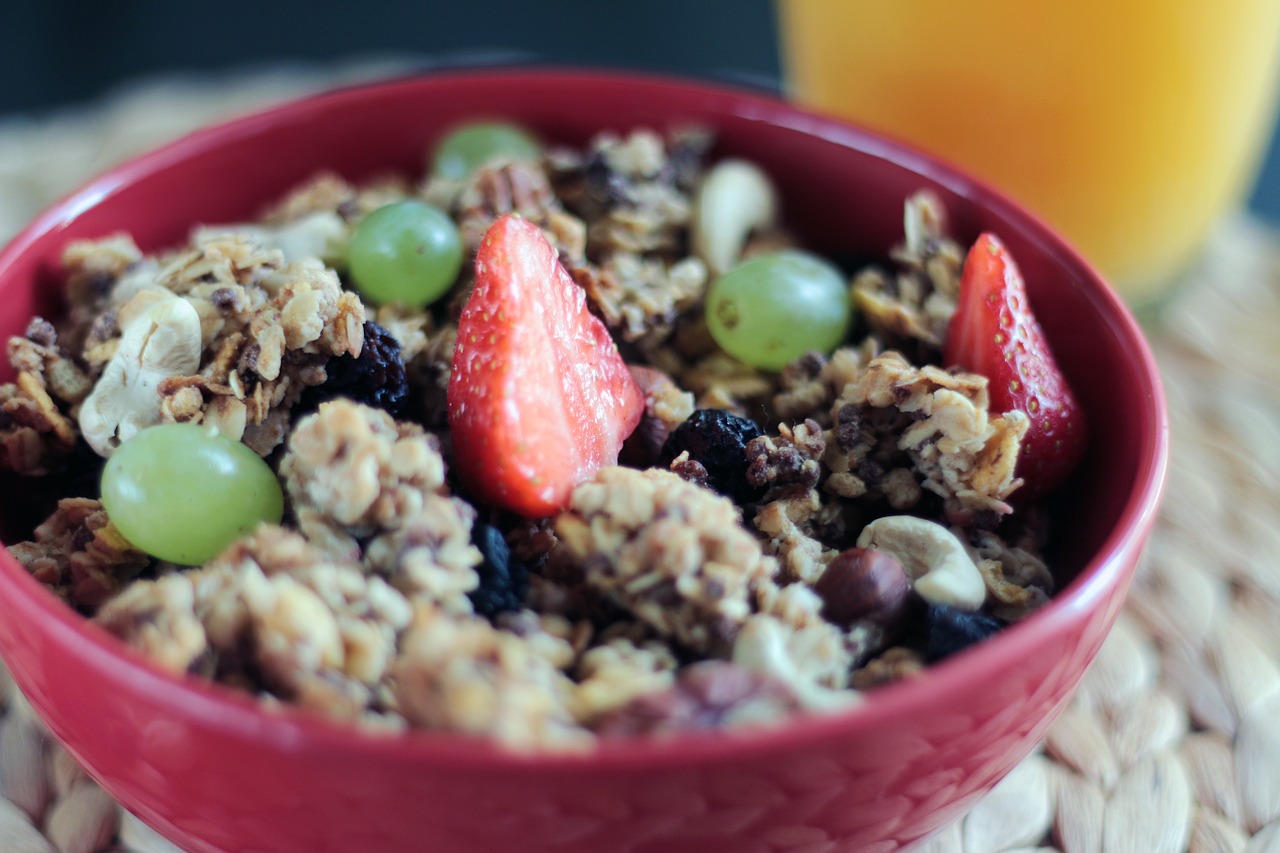
Fiber reduces calorie absorption. Fiber isn't absorbed by the body, and it reduces appetite. A person who increases their daily fiber intake will likely eat less, and the calorie of a high-fiber food is not equal to the calorie of a low-fiber food.
Protein reduces appetite. Protein slows the time it takes for food to move from your stomach to your intestines, helping you feel full longer. It also builds and maintains muscle mass—which burns calories—and helps curb appetite by stabilizing blood glucose levels.
The timing of food affects how you process calories. In a study in The International Journal of Obesity, researchers found that participants who ate late in the day lost significantly less weight than those who ate earlier—even with similar diets, sleep, and caloric intake and expenditure. As The New York Times reported, weight-loss strategies "should focus not just on calories and nutrients, 'but also the timing of food.'"
Refined carbohydrates rob your body of efficiency and nutrition. Metabolism takes a hit from refined carbohydrates—sugars and starches stripped of their fiber, like white flour. When Dr. David Ludwig compared refined carbohydrates with whole grains in both animals and people, he found that metabolism—which determines how many calories you burn at rest—slowed after refined grains but stayed steady after whole grains.
Clearly, it's time to dispel the calories-in, calories-out myth
A 100-calorie chocolate chip cookie is not the same as 100 calories' worth of baby carrots. So the next time a well-meaning friend, trainer, or other professional tells you it's all just math, you'll know the math doesn't add up.
The takeaway isn't that calories don't matter—it's that where your calories come from matters just as much as how many. Focus on real, whole, high-fiber, protein-rich foods, and your body does a lot of the balancing for you.
Frequently Asked Questions
Is weight loss really just calories in, calories out?
Not quite. Calories matter, but your body doesn't treat all of them the same way. The source of a calorie—whether it's sugar, fiber, protein, or refined carbohydrate—affects how much you burn, how full you feel, and how your metabolism responds. A calorie is not simply a calorie.
Is the 3,500-calorie rule true?
No. The old rule that cutting 3,500 calories always equals one pound of weight loss is an oversimplification. Your metabolism adapts as you eat less, which is why weight loss slows over time and why the simple math rarely plays out in real life.
Why does my weight loss stall even when I'm eating the same?
This is the classic "plateau," and it's a normal metabolic adaptation. As you lose weight and eat less, your body slows down to conserve energy—so the same calorie deficit produces less weight loss than it did at the start.
Do all calories count the same for weight loss?
No. Fiber isn't fully absorbed and curbs appetite, protein keeps you full and helps maintain calorie-burning muscle, refined carbs can slow your metabolism, and even the time of day you eat can affect your results. What you eat matters as much as how much.
Ready to take the next step?
Book a Free 20-Minute Consultation