Nutrition
Want the Golden Key to Weight Loss, Heart Health & Digestive Ease?
Fiber is the golden key … to weight control, heart health, and the digestive system. When I choose foods, particularly anything that comes in a package, it is one of the two (the other being sugar) most important line items in the nutritional panel. No, not calories. No, not fat. Fiber. Yes, fiber.
Let's start with the basics. Fiber is a type of carbohydrate that the body cannot digest. Unlike other carbs, fiber cannot be broken down into sugar molecules. Instead, it passes through the body undigested. This is precisely why fiber is so important.
There are two types of fiber — soluble and insoluble. Basically, soluble fiber attracts water and forms a gel to slow down digestion, and insoluble fiber does not dissolve in water, keeping our digestive tract clean and healthy. Both are equally important.
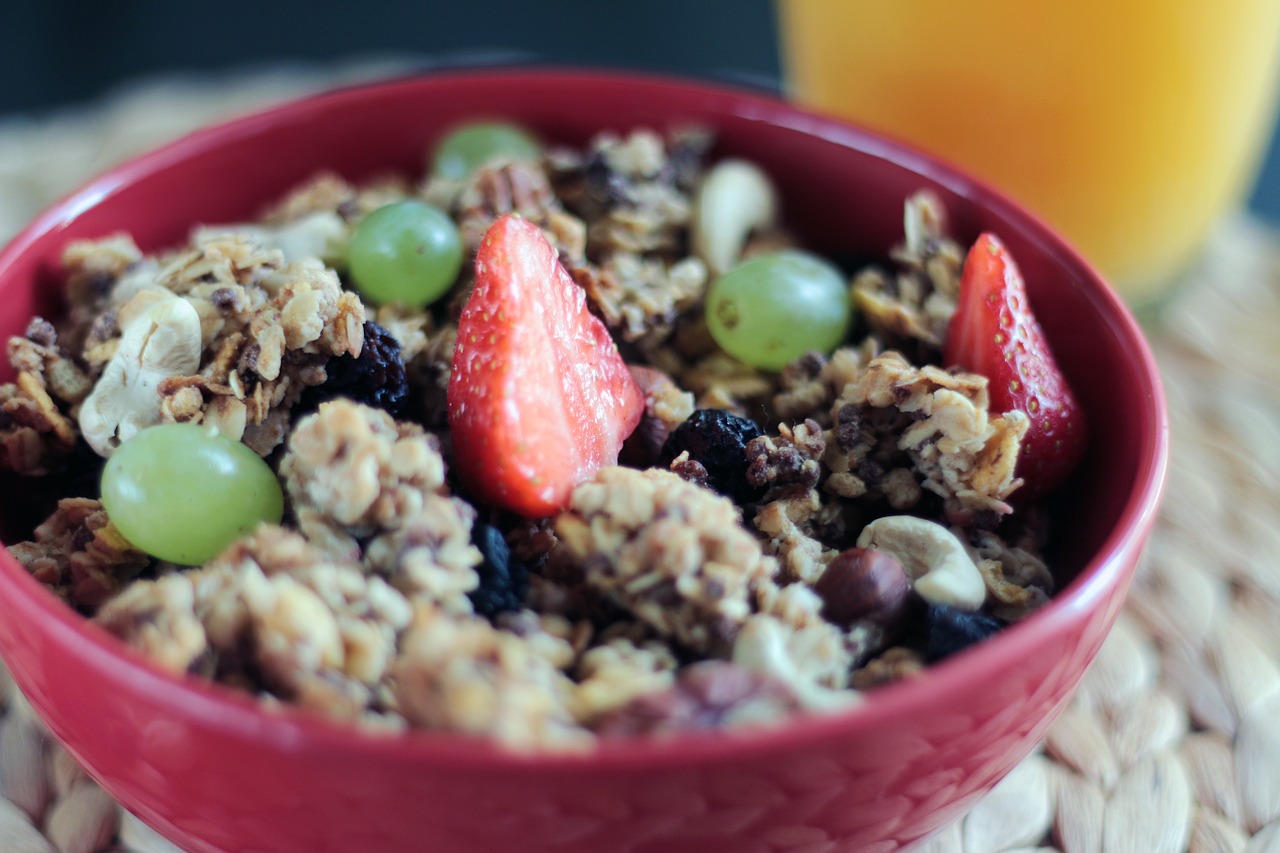
In general the best sources for fiber are whole grain foods, legumes, fresh fruits and vegetables and nuts.
Health Benefits of High-Fiber Nutrition
There's a ton of research that demonstrates the connection between high-fiber foods and health. Here are some of the biggest contenders. Fiber:
Helps Control Blood Sugar Levels — Diets high in fiber slow the absorption of sugar and keep blood sugar from spiking. Maintaining your blood sugar level not only reduces systemic inflammation, but also prevents the crash and burn you feel after consuming too much sugar at one time. Foods to eat include: oatmeal, beans, nuts, lentils, barley, carrots, apples (with the skin), and blueberries.
Prevents Type 2 Diabetes — The sudden spike in blood sugar caused by eating low-fiber, high-sugar foods increases the risk of developing Type 2 Diabetes. High-fiber foods, however, are linked to a lower risk of Type 2 Diabetes. Foods to eat include: whole-wheat flour, sprouted grain products, bran, nuts, brown rice, beans, cucumbers and tomatoes.
Promotes Weight Loss — For people who have weight to lose, fiber reduces calorie absorption. Why? Because fiber is not absorbed by the body. The calorie of a high-fiber food is not equal to the calorie of a low-fiber food. Also, when a person who is trying to lose weight increases their daily fiber intake they will likely eat less. Fiber increases the feeling of fullness.
Supports a Healthy Heart — According to the Harvard School of Public Health, research demonstrates a link between a high intake of dietary fiber and a lower risk of heart disease. In two Harvard studies, one focused on men and the other focused on women, researchers found that high total dietary fiber intake was linked to a 40% lower risk of coronary heart disease. 40%!!!!
Reduces Blood Pressure — An increase in dietary fiber is linked to a significant reduction in blood pressure levels among people with high blood pressure or hypertension. Overall, results published in the Journal of Hypertension showed that adding fiber to the diet was associated with a significant reduction in both systolic (the top number in a blood pressure reading) and diastolic (the bottom number) blood pressure in people with high blood pressure.
Reduces Cholesterol — Soluble fiber, in particular, helps lower cholesterol levels. The theory is that when soluble fiber creates a gel it binds some of the cholesterol in the small intestine and takes it out of the body. When choosing grain foods make sure the serving has a minimum of 3 grams of fiber. Those "whole grain" stamps on packaging can be very misleading.
Protects Against Stroke — Researchers have found that for every additional seven grams of fiber you consume on a daily basis, your stroke risk is decreased by 7%. Pretty amazing, right?
Prevents Diverticulitis — According to the Harvard School of Public Health, diverticulitis, an inflammation of the intestine, is "one of the most common age-related disorders of the colon in Western society." One long-term study found that fiber, particularly insoluble fiber, reduced the risk of diverticular disease by 40%.
Helps Maintain Bowel Health — A high-fiber diet has been shown to relieve and prevent constipation and lower your risk of developing hemorrhoids. Constipation is the most common gastrointestinal complaint in the United States, according to Harvard. Eat your fiber!
How Much Fiber Is Enough?
Based on a 2,000 calorie diet, Dr. Andrew Weil recommends eating 40 grams of fiber a day. Clearly no one eats exactly 2,000 calories a day. Using that ratio, though, aim for 2% of your daily caloric intake as fiber. So, if your average day is 1,500 calories, your fiber aim is 30 grams. Don't make the mistake of underestimating your calories and then underestimating your fiber needs—it's better to have a few grams above your aim than not enough.
For a mainstream benchmark, the Dietary Guidelines for Americans recommend roughly 14 grams of fiber for every 1,000 calories—about 25 grams a day for women and 38 grams a day for men. Most Americans get only about half that, so wherever you land in that range, the goal is the same: eat more.
Also, increase the amount of fiber in your diet gradually to allow your body to adapt. Because some fibers absorb water, be sure to drink more water as you add fiber.
The beauty of fiber is that you don't have to count it obsessively. Fill your plate with whole foods—vegetables, fruit, beans, whole grains, and nuts—and the fiber takes care of itself. Start there, and let the golden key do its work.
Frequently Asked Questions About Fiber
What are the health benefits of fiber?
Fiber is a golden key to whole-body health. It helps control blood sugar, lowers the risk of Type 2 diabetes, supports weight loss, protects your heart, reduces blood pressure and cholesterol, guards against stroke and diverticulitis, and keeps your digestion running smoothly.
How much fiber should I eat per day?
Aim for about 25 grams a day if you're a woman and 38 grams if you're a man—roughly 14 grams for every 1,000 calories you eat. Most people get only half that, so if you do one thing, eat more fiber. Increase it gradually and drink plenty of water as you do.
What's the difference between soluble and insoluble fiber?
Soluble fiber attracts water and forms a gel that slows digestion, which helps lower cholesterol and steady blood sugar. Insoluble fiber doesn't dissolve in water; it keeps your digestive tract clean and moving. You need both, and whole foods naturally give you a mix.
What foods are highest in fiber?
The best sources are whole grains, legumes, fresh fruits and vegetables, and nuts—think beans, lentils, oats, barley, brown rice, apples with the skin, blueberries, carrots, and bran. When you buy packaged grains, look for at least 3 grams of fiber per serving.
Does fiber help with weight loss?
Yes. Fiber isn't absorbed by the body, so high-fiber foods deliver fewer usable calories, and they increase your feeling of fullness—so you naturally tend to eat less without feeling deprived.
Ready to take the next step?
Book a Free 20-Minute Consultation